
Common Sources of Asbestos Exposure
Asbestos exposure remains a serious public health concern due to the mineral’s hazardous nature. This article explores the common sources of asbestos exposure and provides valuable insights into how individuals can limit their risks.
Understanding Asbestos
Asbestos is a group of naturally occurring silicate minerals known for their heat resistance and insulating properties. It was widely utilized in various industries due to its exceptional durability and fireproof characteristics. Although the use of asbestos has decreased significantly, many older buildings and products still contain this dangerous material.
Why Is Asbestos Dangerous?
Asbestos fibers can be inhaled or ingested, leading to serious health issues. Common diseases associated with asbestos exposure include mesothelioma, lung cancer, and asbestosis. The latency period for these diseases can be decades long, rendering early detection and treatment more difficult.
Common Sources of Asbestos Exposure
1. Older Buildings and Structures
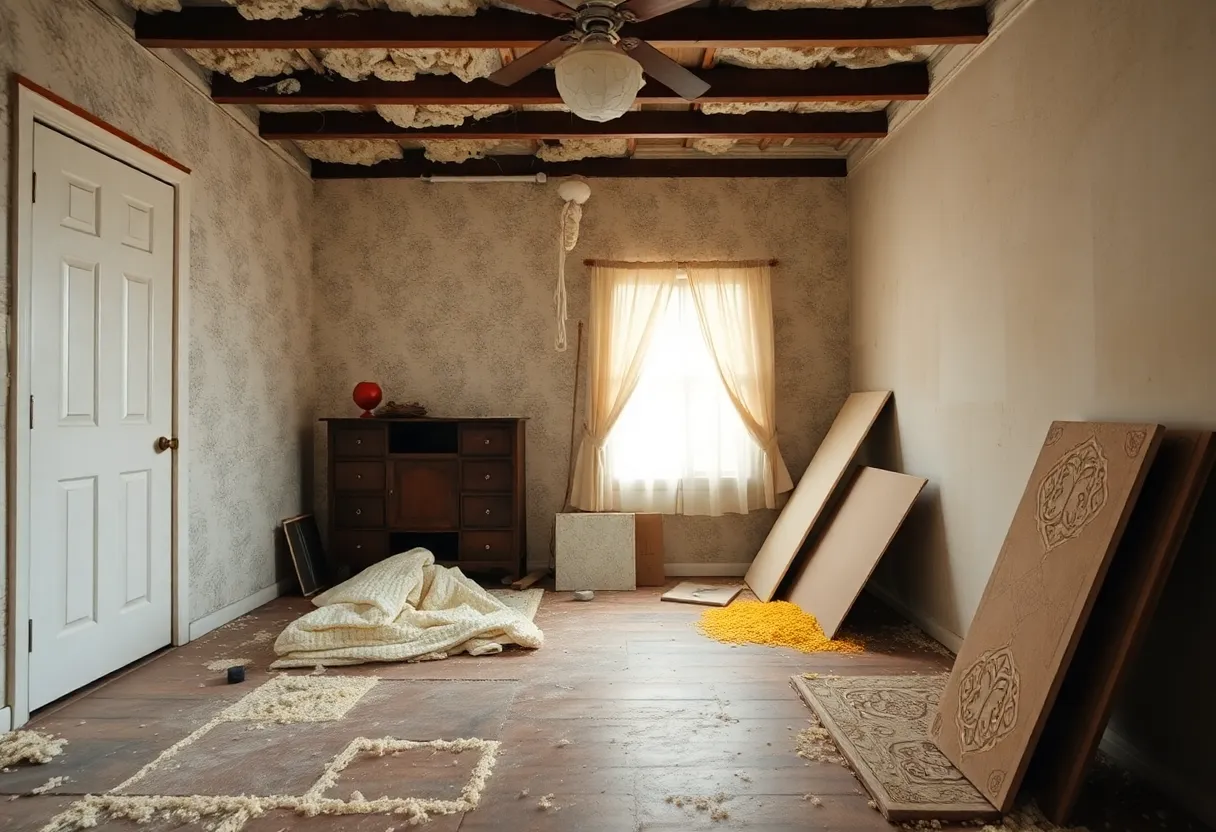
One of the most significant sources of asbestos exposure is older buildings. Prior to the 1980s, asbestos was commonly used in:
- Insulation materials: Asbestos was a popular choice for insulating attics, walls, and pipes. Removal or disturbance of these materials during renovation or demolition can release harmful fibers into the air.
- Flooring materials: Vinyl tiles and the adhesives used in them often contained asbestos. Even minor repairs can lead to exposure if the tiles are damaged.
- Ceiling tiles: Asbestos was often mixed into ceiling tiles for fire resistance and soundproofing, posing risks during remodeling.
2. Construction and Renovation Activities
Construction and renovation activities present significant risks for asbestos exposure. Workers, as well as homeowners refurbishing older properties, may encounter asbestos in:
- Demolition of older structures: This can disturb asbestos-containing materials, releasing fibers into the atmosphere.
- Remodeling activities: Tasks like sanding, cutting, or scraping materials that contain asbestos can also release dangerous fibers.
3. Manufacturing and Industrial Settings
Many industrial processes historically utilized asbestos for its fire-resistant and insulating properties. Some common manufacturing industries that have been associated with asbestos exposure include:
- Shipbuilding: Asbestos was widely used for insulation in ships, creating a high risk for shipbuilders and repair workers.
- Construction materials: Workers involved in the production of asbestos-containing products, such as cement sheets, shingles, and insulation, face significant exposure risks.
- Automotive industry: Asbestos has been found in brake linings and clutch pads, exposing mechanics and assembly line workers to harmful fibers.
4. Natural Occurrences
Asbestos fibers can also be found in certain natural settings, particularly in areas with asbestos-rich rock formations. Occupational exposure can occur among:
- Mining workers: Those involved in the extraction of asbestos from natural deposits are at high risk of exposure.
- Construction workers: Workers in regions near naturally occurring asbestos may encounter fibers while digging or working the land.
5. Household Products
Some household products manufactured before the late 1970s may still contain asbestos. These can include:
- Textiles: Asbestos was integrated into certain textiles for protective clothing and insulation.
- Fireproofing materials: Certain fire-resistant products, like blankets and pads, may also pose risks if they contain asbestos.
- Arts and crafts supplies: Some older DIY materials, especially those related to specialized hobbies like pottery, may contain asbestos.
6. Environmental Exposure
Environmental exposure to asbestos can occur when asbestos-containing materials are disturbed. Areas prone to natural erosion or demolition can cause fibers to become airborne, putting nearby residents at risk.
Minimizing Exposure to Asbestos
To mitigate risks associated with asbestos exposure, it is crucial to take preventive measures:
- Asbestos inspections: Before starting any renovations or construction on an older property, getting an inspection is essential. Professionals can identify and manage asbestos safely.
- Leave undisturbed materials: If materials containing asbestos are in good condition, it is often safer to leave them alone rather than attempt to remove them.
- Hire licensed professionals: Only trained and certified professionals should handle asbestos removal or remediation to ensure safety.
Conclusion
Understanding the common sources of asbestos exposure is vital for public health and safety. Awareness can lead to proactive measures to limit risks. Regular inspections, professional handling of asbestos materials, and understanding potential exposure areas can significantly reduce health hazards associated with asbestos.