
News Summary
Exploring the tragic legacy of asbestos mining in South Africa, focusing on health impacts, community struggles, and the quest for justice.
South Africa’s Asbestos Legacy: A Battle with Mesothelioma and Community Despair
Once heralded as a titan of industry, South Africa’s asbestos mining epoch has crumbled into a haunting legacy of disease and desolation. From 1910 to 2002, the country proudly produced over 10 million tons of asbestos, sitting at the top tier of global exporters. The mining business brought in substantial profits, bolstering foreign markets and multinational corporations, while ignoring the grim consequences that have reverberated through communities for decades.
Msauli: The Ghost Town of a Forgotten Era
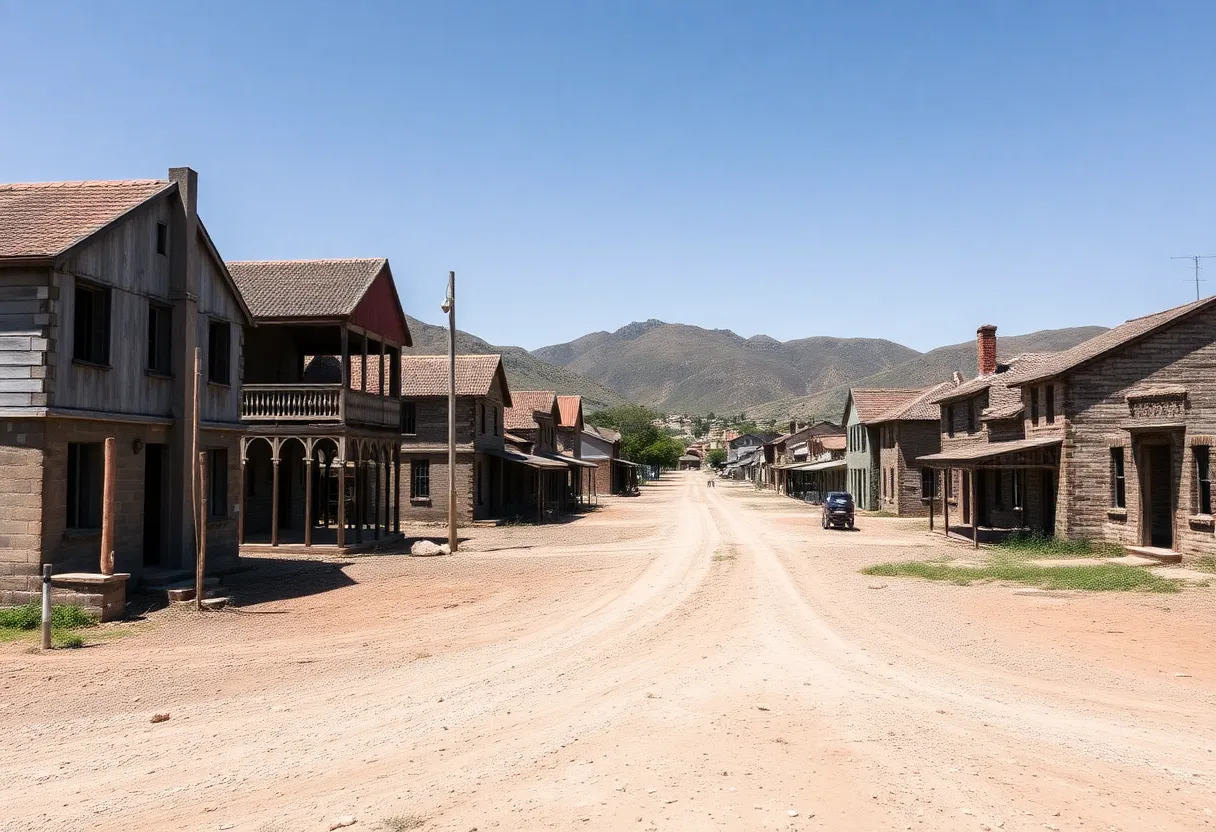
Today, former mining towns like Msauli stand as eerie reminders of the past. Once a thriving hub for thousands of workers, Msauli is now a deserted ghost town, depicting the true cost of an outdated industry. The last clamor of machinery faded in 2001, signaling the end of an era and leaving communities frozen in time, grappling with a web of health-related issues stemming from asbestos exposure.
The Grim Health Toll of Asbestos Exposure
Asbestos-related illnesses, particularly mesothelioma, asbestosis, and lung cancer, have plagued former workers and residents, with symptoms often surfacing decades after the initial exposure—sometimes up to 50 years. Alarmingly, approximately 200 new cases of mesothelioma are reported annually in South Africa, but experts fear this figure is significantly underestimated due to frequent misdiagnosis or underreporting.
Fragmented Support and the Quest for Justice
Despite the grim statistics, many affected individuals may never see a dime in compensation. The struggle is compounded by the absence of employment records for many former miners and the unfortunate reality of their companies closing down. Although the Occupational Diseases in Mines and Works Act (ODMWA) was established to provide financial assistance for miners suffering from occupational respiratory diseases, it is marred by criticism for being both slow and underfunded.
The situation is further aggravated by structures such as the Asbestos Relief Trusts, which were birthed out of legal pressures but offer limited help based on intense documentation requirements and specific mine affiliations, leaving many victims stranded without assistance.
Women and Children: The Overlooked Victims
In regions contaminated by asbestos, over 70% of environmental exposure cases involve women and children. The threats from asbestos fibers extend beyond direct exposure; secondary exposure from contaminated clothing can be equally deadly. As these vulnerable groups bear the brunt of the disease, the need for comprehensive healthcare becomes ever more pressing.
Healthcare System Under Strain
South Africa’s public healthcare system is already grappling with rising demands for specialized treatment for lung-related diseases and cancer. Compounding this issue, many medical schemes do not cover occupational diseases, leaving affected individuals with limited options. New legislation, which may restrict private doctors from practicing in public hospitals without certain certificates, raises serious concerns about access to healthcare in already struggling communities.
A Social Justice Battle
The deadly legacy of the asbestos industry is not just a personal tragedy; it’s a social justice issue that raises serious questions about accountability and community support. Towns like Diepgezet, which was abandoned around 2002 following a nationwide ban on asbestos, have seen the toll of unemployment and community collapse that followed the industry’s decline. The once-prosperous towns have now transformed into ghostly markers of negligence and hardship.
Path to Justice Remains Elusive
A landmark ruling by the Constitutional Court in 2011 allowed mineworkers to pursue legal action for damages, even after claiming statutory compensation. However, the journey towards accessing justice remains fraught with complexities for many survivors and their families.
A Future Uncertain
As South Africa continues to deal with the aftermath of its illustrious yet tragic asbestos mining history, the road ahead is lined with challenges. The communities once enriched by this industry now fight against a legacy of disease, environmental degradation, and insufficient healthcare. They stand at a crossroads, seeking justice in a world eager to forget.
Deeper Dive: News & Info About This Topic
HERE Resources
Serious Legal Consequences for Asbestos Abatement Violators in Massachusetts
Montana’s Court System on the Brink: New Legislation Targets Asbestos Claims
Legislative Action on Asbestos Compensation in Montana Stirs Up Controversy
Asbestos on the Decline: Major Shift in U.S. Policy as Chrysotile Faces Ban
Malignant Mesothelioma Market on the Rise: Growth Trends and Future Prospects
FDA Greenlights Pembrolizumab: A Beacon of Hope for Mesothelioma Patients
Johnson & Johnson’s Bankruptcy Proposal Faces Third Judicial Rejection
Transforming Salem Chapel into a Vibrant Community Space
Family Appeals for Witnesses After Asbestos-Related Death
Reading Rugby Football Club Faces Closure Amid Asbestos Crisis