
News Summary
Libby, Montana faces a tragic legacy of asbestos contamination linked to the W.R. Grace vermiculite mine from 1963 to 1990. This crisis has led to numerous health issues, including mesothelioma, and has profoundly affected the community. Despite cleanup efforts, many residents remain concerned about ongoing exposure and health repercussions, while support services are in place to assist those impacted by this public health emergency.
The Deadly Asbestos Legacy in Libby, Montana: A Tragic Tale of Human Cost and Corporate Negligence
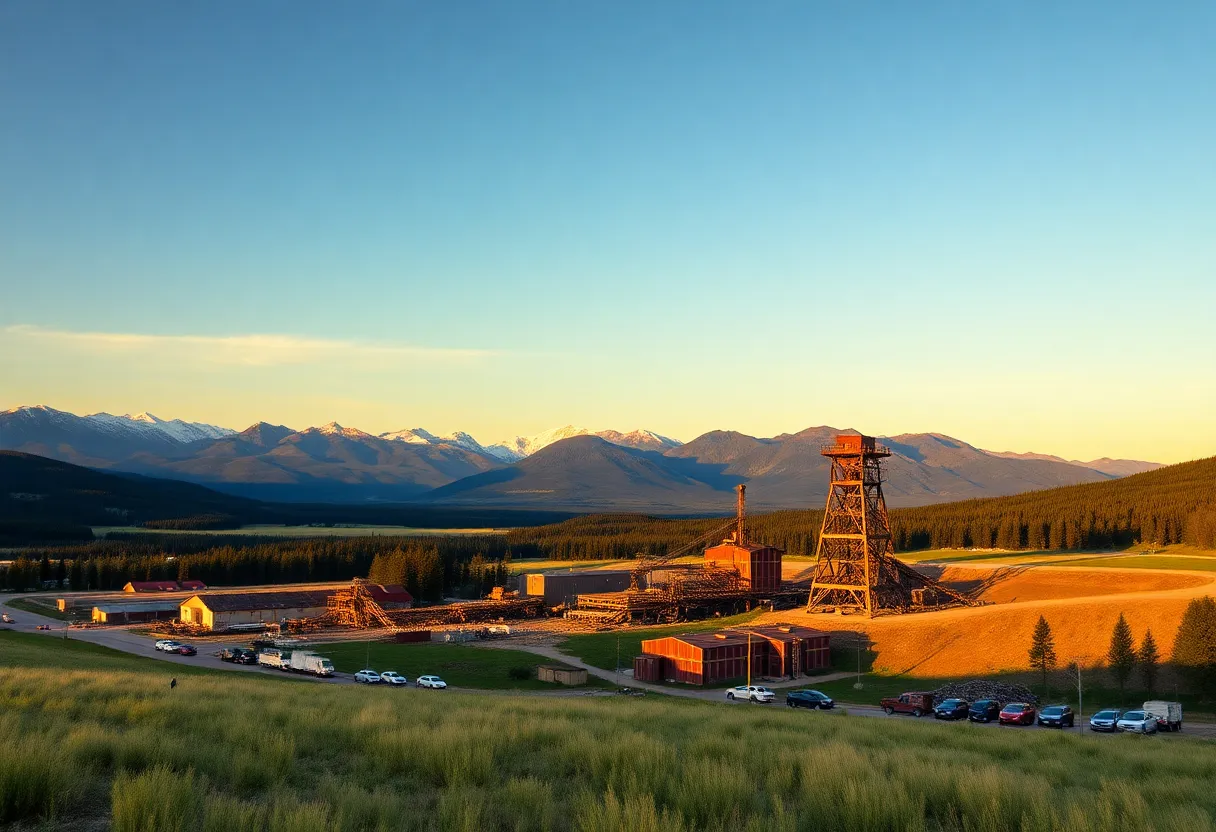
Libby, Montana, a quaint town nestled in the northern Rockies, harbors a dark secret—a legacy of deadly asbestos contamination that has claimed countless lives and continues to inflict suffering on its residents. The infamous W.R. Grace vermiculite mine operated from 1963 to 1990, extracting what was once seen as a valuable resource without any awareness that it was laced with asbestos fibers. For nearly three decades, thousands of miners and local inhabitants unwittingly exposed themselves to this silent killer, which they believed was merely a harmless material.
Unseen Dangers: Exposure and its Ripple Effects
This catastrophe did not end within the boundaries of Libby. As the contaminated vermiculite was processed and shipped across the nation, workers in far-flung processing plants also fell victim to asbestos exposure. The repercussions were catastrophic—over the years, residents and workers have faced an epidemic of mesothelioma and other asbestos-related diseases, resulting in a growing death toll that has shaken this small community to its core.
Asbestos fibers infiltrated the very air that Libby residents breathed, wafting invisibly from areas surrounding the mine and settling in homes, schools, and businesses. Those who worked directly in the mine often brought home the deadly fibers on their clothes, unknowingly putting their families at risk. The tragedy of Libby is that these hazardous fibers have caused incalculable distress not only to those who toiled in the mine but also to their loved ones and neighbors.
Federal Response: A Decade-Long Struggle
By the late 1990s, as more and more people fell ill, the situation drew the attention of the U.S. Environmental Protection Agency (EPA). In 1999, reports of the health crisis prompted an investigation, and the following year, the Libby mine was designated a Superfund Site, aimed at facilitating cleanup efforts. In 2009, the EPA declared Libby a Public Health Emergency, thereby allowing residents access to federal health services—an acknowledgment of the grievous impact of the asbestos contamination.
Clean-Up Efforts: Progress and Lingering Fears
Fast-forward to 2014, and the EPA announced that substantial progress had been made in mitigating risks to residents. Complete cleanup, however, remains an elusive goal. While the EPA heralded a return to safety standards, it is crucial to note that significant amounts of asbestos still lie beneath the ground, threatening to resurface with natural erosion.
Cleanup efforts have spanned more than a million cubic yards of contaminated soil, but there are lingering concerns among Libby’s residents. Many worry about the potential remnants of asbestos exposure, particularly in homes involved in remediation efforts, leading to a climate of uncertainty and fear.
The Fallout: Ongoing Illness and Financial Strain
The human cost of this tragedy is staggering. Approximately 40% of deaths in Libby have been linked to non-cancerous diseases like asbestosis—chronic conditions that continue to impact families long after the mine’s closure. The town, with its small population, has been irrevocably altered, as new diagnoses of mesothelioma are still being made. With a latency period that extends decades, those exposed to asbestos in Libby are still facing the health consequences today.
Settlement deals and ongoing litigation against W.R. Grace & Company, along with the state of Montana, have racked up billions in costs. While substantial settlements have provided relief for many victims, the emotional and physical toll remains profound, with many residents grappling with the knowledge that their health was compromised through no fault of their own.
Community Support: Resources in a Difficult Journey
In response to the devastating situation, local initiatives such as the Lincoln County program provide educational resources and health screenings for residents. Additionally, the Center for Asbestos Related Disease (CARD) in Libby offers essential services, from disease management to health screenings, addressing the unique needs of those affected by this tragic legacy. However, specialty cancer care remains distant, with the closest facilities located in Billings, Montana, and Seattle, Washington.
Moving Forward: A Cautious Outlook
As Libby grapples with its past, the community remains vigilant in monitoring potential risks and advocating for better oversight and safety measures surrounding asbestos use. New regulations in vermiculite harvesting ensure stricter screening for asbestos, a lesson painfully learned from the past.
Yet, the residents of Libby hold tightly to the hope that their town can recover, not just from the physical scars left by asbestos but from the emotional anguish that has gripped the community. Living in the shadow of a toxic legacy, they continue to seek solutions, support, and a future free from the specter of mesothelioma and its devastating consequences.
Deeper Dive: News & Info About This Topic
HERE Resources
The Asbestos Crisis in Libby, Montana: What You Need to Know
Asbestos Crisis in Libby, Montana: A Tragic Legacy of Contamination
Controversial Asbestos Bill Passes in Montana as BNSF Faces Legal Fallout
U.S. Senate Declares National Asbestos Awareness Week Amid Ongoing Crisis
Pennsylvania Supreme Court Empowers Mesothelioma Victims
Controversy Erupts as Cambridge Courthouse Project Faces Environmental Scrutiny
U-Haul’s Asbestos Catastrophe: Workers Exposed in Spokane Renovation Fiasco
Concerns Raised Over Asbestos in Cheltenham’s Queens Hotel
Southwark Council Faces Backlash Over Asbestos Contamination and Sewage Nightmare
New South Wales Faces Fallout from Asbestos Management Issues in 2025