
Tips for Handling Lease Termination: Maintaining Good Relationships with Landlords
Ending a lease can be a complex process, often filled with uncertainty and emotion. Whether you’re moving to a new city, buying a home, or simply looking for a change, terminating a lease requires careful consideration. It’s not just about packing your bags; it’s also about how you manage your relationship with your landlord. A respectful and professional approach can pay dividends, ensuring a smooth transition and possibly even a positive reference in the future.
Understand Your Lease Agreement
Before taking any steps towards termination, it’s essential to fully understand your lease agreement. This document outlines your rights and responsibilities, including the notice period for termination, penalties for breaking the lease early, and the conditions under which you can terminate the lease. Ignoring these details can lead to misunderstandings and financial repercussions.
For instance, if your lease requires a 30-day notice, you’ll need to inform your landlord well in advance. Failing to do so might result in additional rent being charged. Knowing the specifics of your lease will help you avoid unnecessary disputes.
Communicate Early and Often
Once you’ve made the decision to terminate your lease, communicate with your landlord as soon as possible. Clear and timely communication is key. If you’re leaving for a specific reason, such as job relocation or personal circumstances, sharing this information can build understanding and empathy.
Regular updates can also help. If circumstances change, keeping your landlord informed shows respect and professionalism. It’s important to maintain a positive tone, even if you’re frustrated with certain aspects of your rental experience.
Document Everything
When it comes to lease termination, documentation is your best friend. Keep records of all communications with your landlord, including emails, texts, and any formal letters. This can be invaluable should any disputes arise.
Using a letter of lease termination template can help ensure you include all necessary information in your notice. A well-documented process demonstrates your seriousness and professionalism, making it less likely that your landlord will contest the termination.
Leave the Property in Good Condition
Your relationship with your landlord can significantly benefit from how you leave the property. Make sure to clean the apartment thoroughly, repair any damage, and remove all personal belongings. Consider hiring a cleaning service if necessary. This shows your landlord that you respect their property and are committed to leaving it in good condition.
Conduct a walk-through with your landlord before you leave. This gives both parties a chance to discuss any issues and agree on the state of the property. A smooth handover can help prevent disputes over the security deposit later.
Know Your Rights and Responsibilities
Familiarize yourself with tenant rights in your area. This knowledge empowers you to manage lease termination confidently and ensures that you’re treated fairly. For example, many states have laws that protect tenants against unfair eviction practices. Understanding your rights can prevent landlords from taking advantage of you during the termination process.
It’s equally important to know your responsibilities. Returning keys, paying any outstanding rent, and following through on agreed-upon repairs are all part of your obligations when terminating a lease. Fulfilling these responsibilities not only helps maintain a good relationship but also safeguards your credit and renting history.
Consider a Mutual Agreement
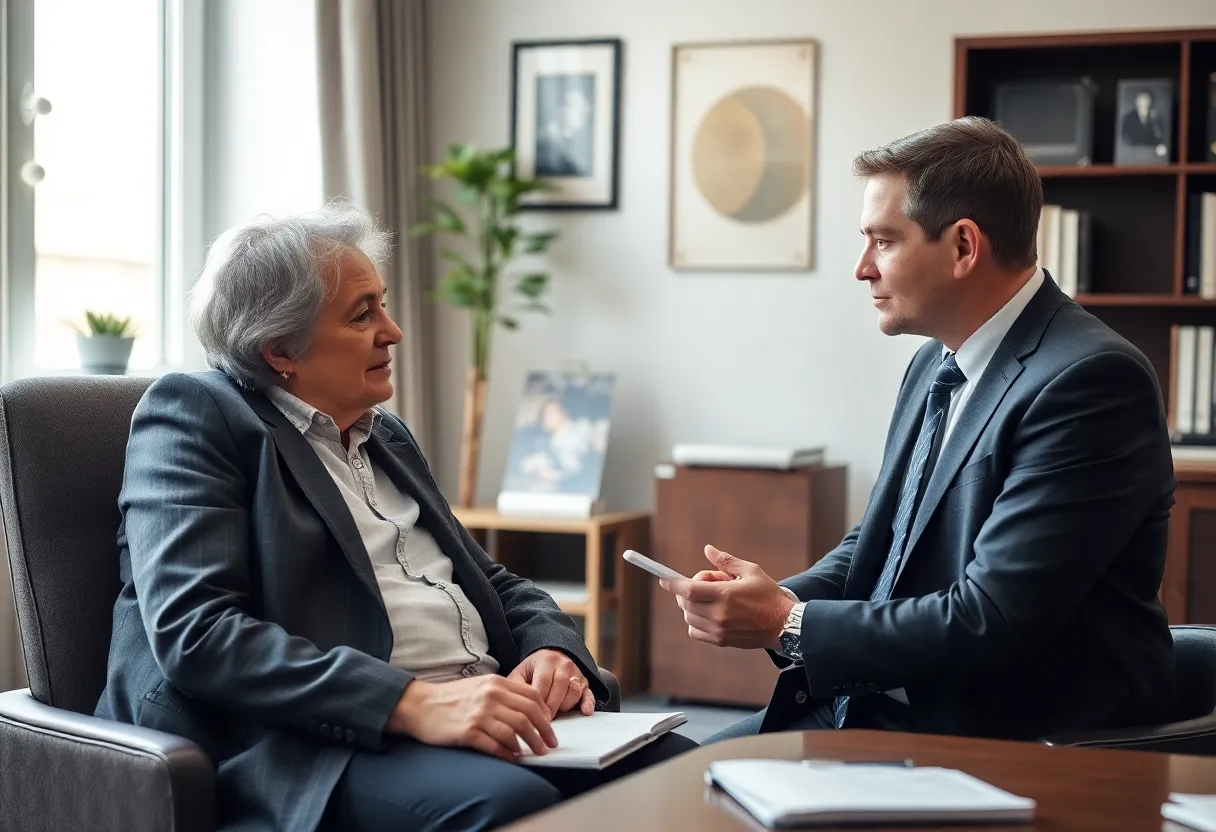
If you’re facing challenges with your landlord regarding your lease termination, consider negotiating a mutual agreement. It’s often beneficial to have a candid discussion about your situation. If your landlord understands your reasons for leaving, they may be willing to work with you on the terms of the termination.
For instance, if you need to leave early, offer to assist in finding a new tenant or suggest a rent concession. This kind of cooperation can leave both parties feeling satisfied and can help preserve your relationship for future references.
Stay Professional
Throughout the lease termination process, professionalism is paramount. This means being respectful in your communications, following through on commitments, and maintaining a positive demeanor. Even if your experience as a tenant has been less than ideal, expressing frustration can burn bridges. You never know when you might cross paths with your landlord again or need a reference in the future.
Ultimately, how you handle lease termination can impact your rental history. A positive experience can lead to good references, while a negative one can haunt your future renting endeavors.
Conclusion
Ending a lease is more than just a logistical process; it’s an opportunity to demonstrate your professionalism and respect towards your landlord. By understanding your lease, communicating effectively, documenting everything, and leaving the property in good condition, you can ensure a smoother transition. Remember, a little effort can go a long way in maintaining good relationships with landlords, which can be an asset in your future renting experiences.